

Non-Invasive Vibrotactile Stimulation for Parkinson's Disease (F2Heal)
Exploring non-invasive neurotechnology to improve motor symptoms in Parkinson’s disease.
Overview
Project Details
This project is a research-driven Master’s project focused on Parkinson’s disease, combining scalp-based EEG analysis with non-invasive vibrotactile stimulation. The project investigates whether mechanical stimulation applied to the fingertips can influence brain activity and help reduce motor symptoms such as tremors and freezing.
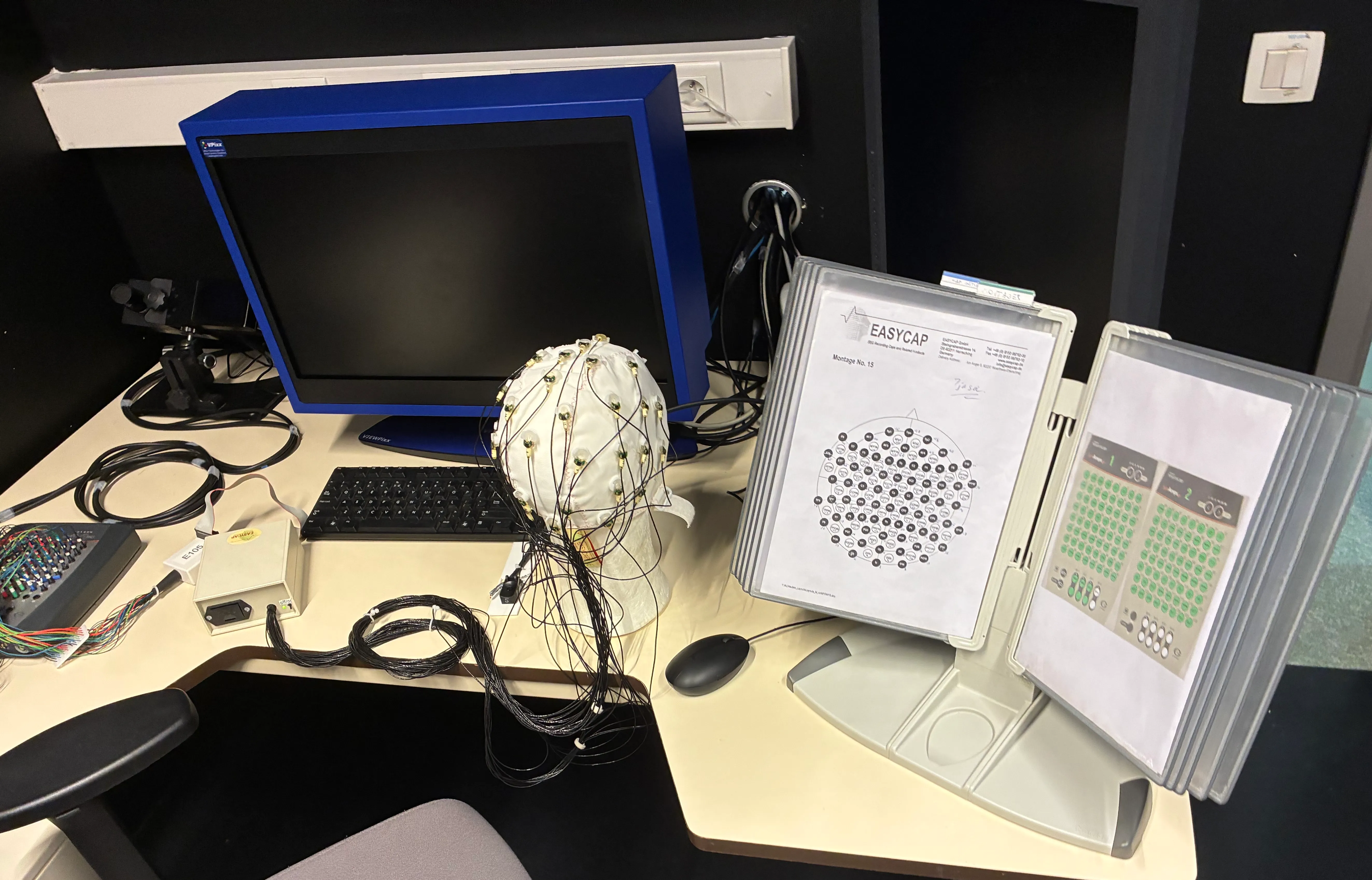
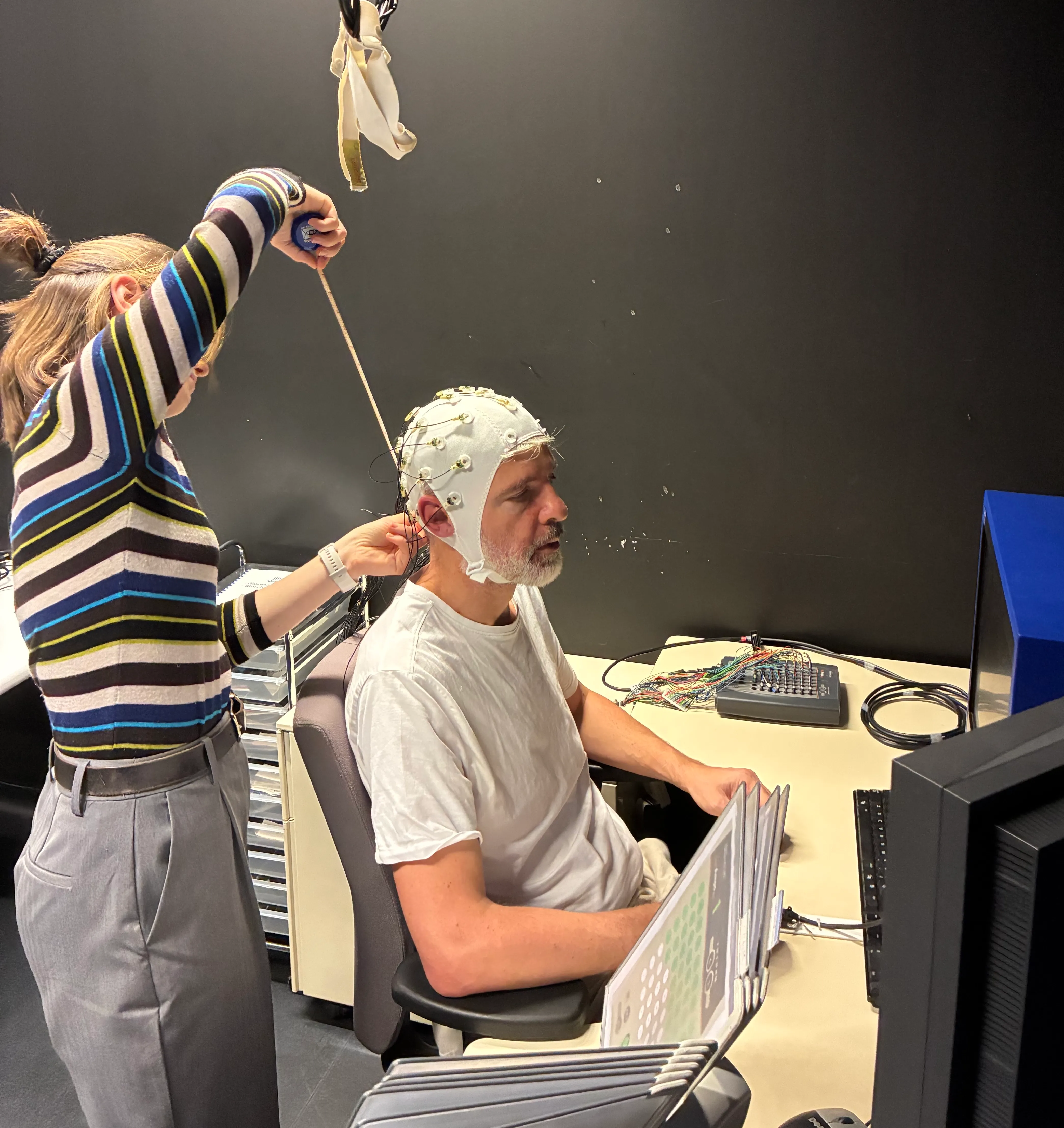
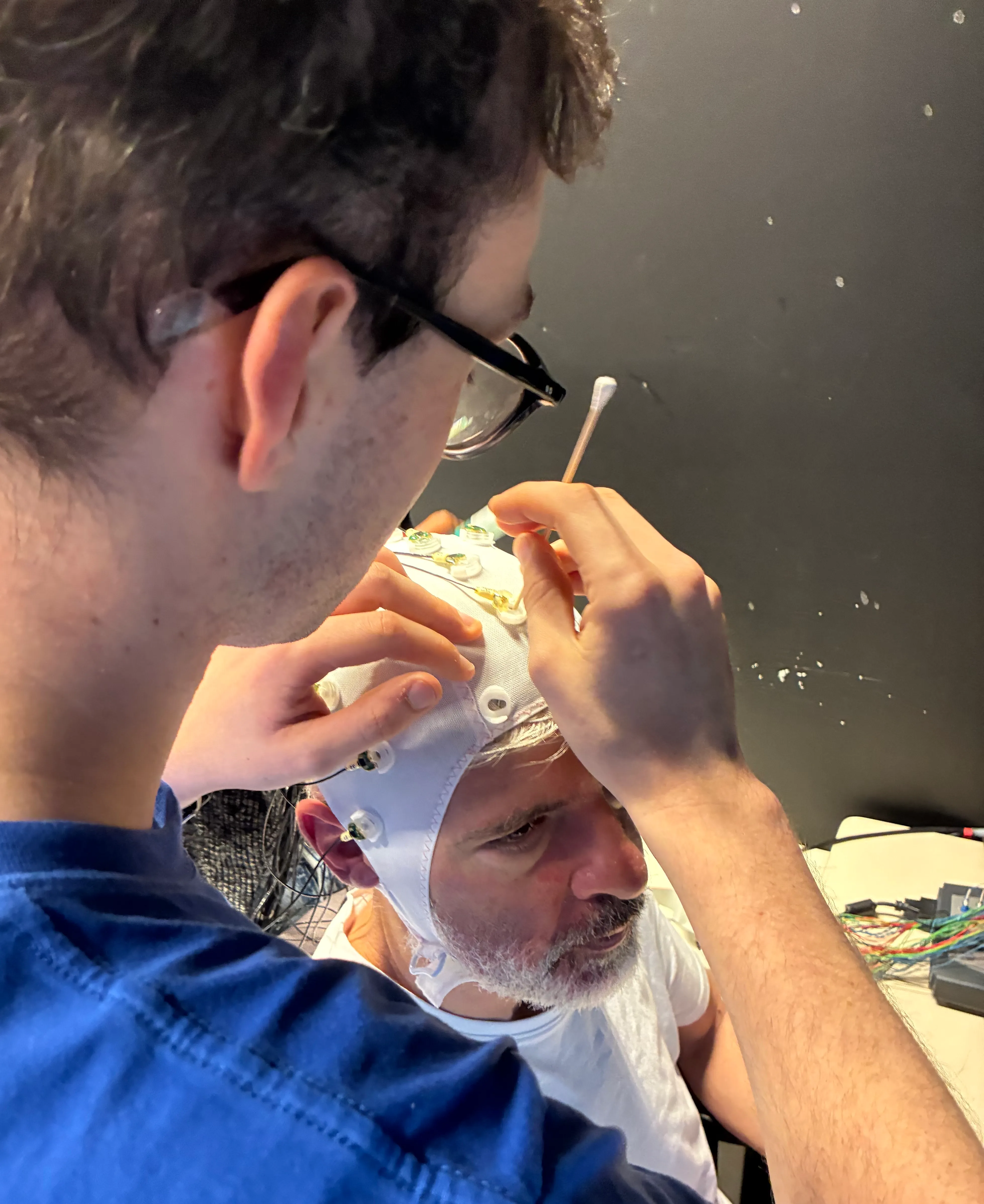
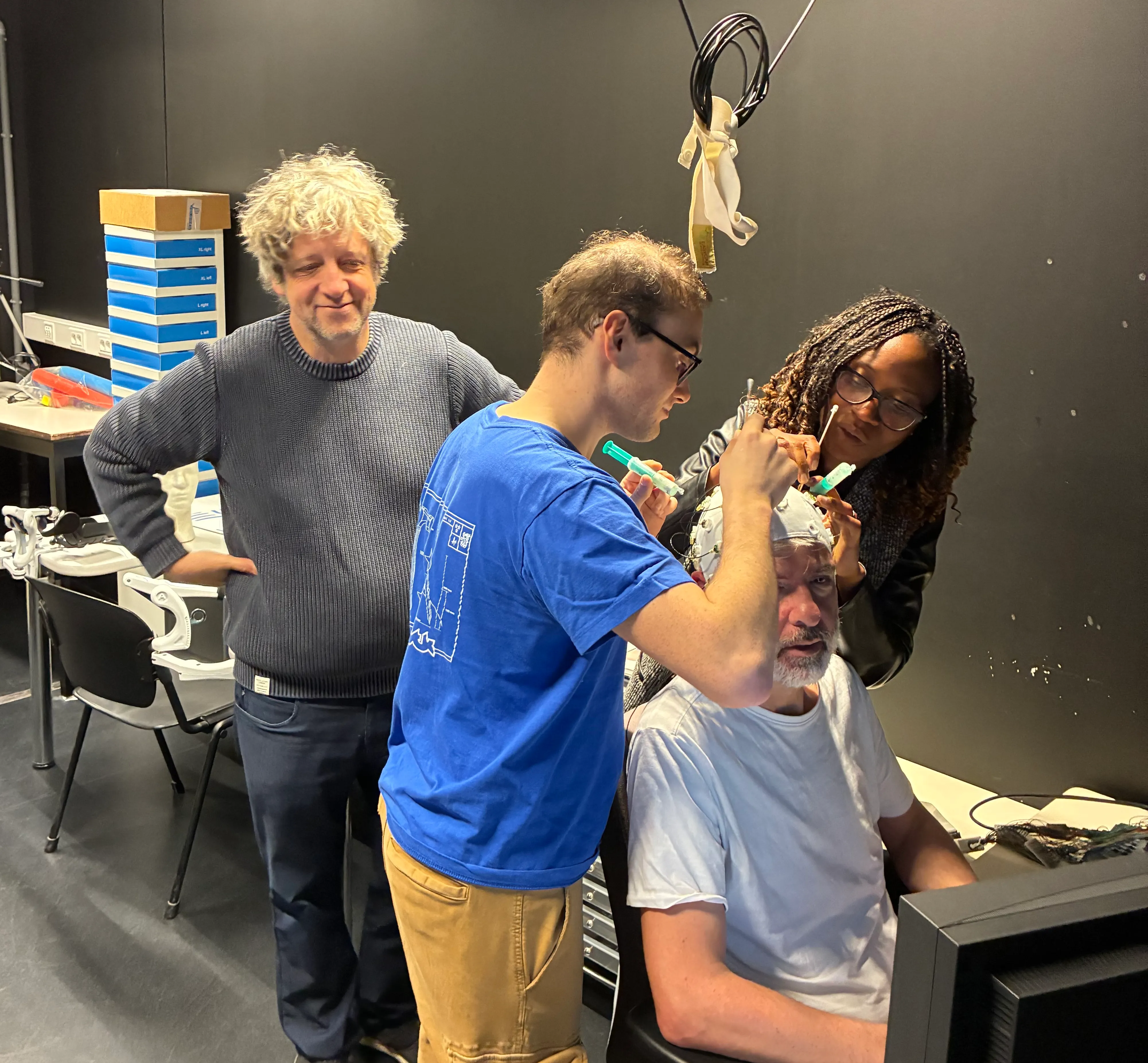
By studying neural activity using professional EEG systems and exploring ways to replicate high-quality recordings with more accessible equipment, the project aims to evaluate treatment effectiveness, identify potential EEG biomarkers of Parkinson’s disease, and contribute to safer, more affordable therapeutic alternatives that could improve patients’ quality of life.
Focus Areas
Vibrotactile Stimulation & Motor Symptoms
This focus area explores vibrotactile stimulation as a non-invasive alternative to more invasive treatments such as deep brain stimulation. The project investigates whether targeted mechanical vibrations applied to the fingertips can influence motor cortex activity and help reduce Parkinson’s motor symptoms.
Scalp EEG & Parkinson’s Biomarkers
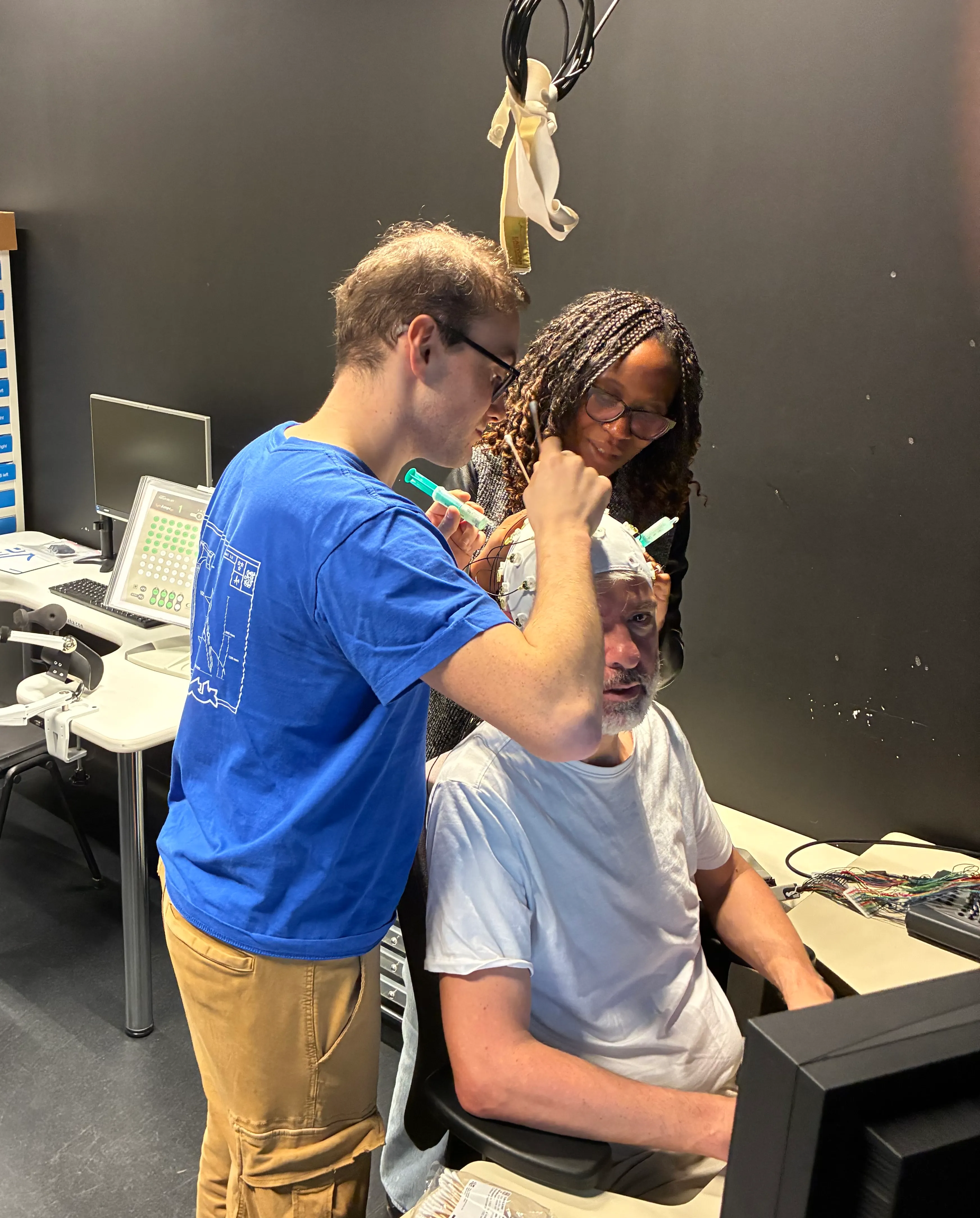
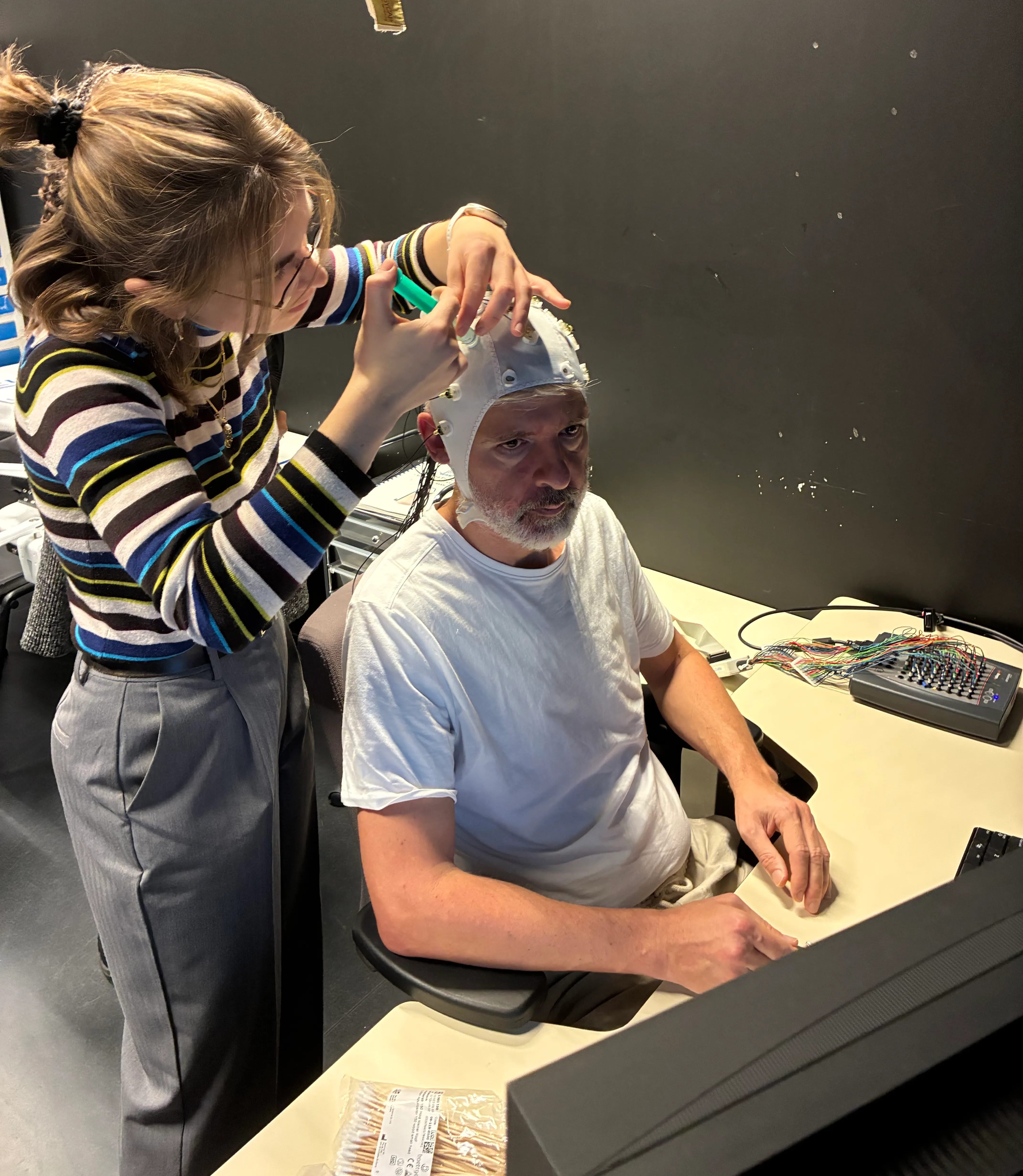
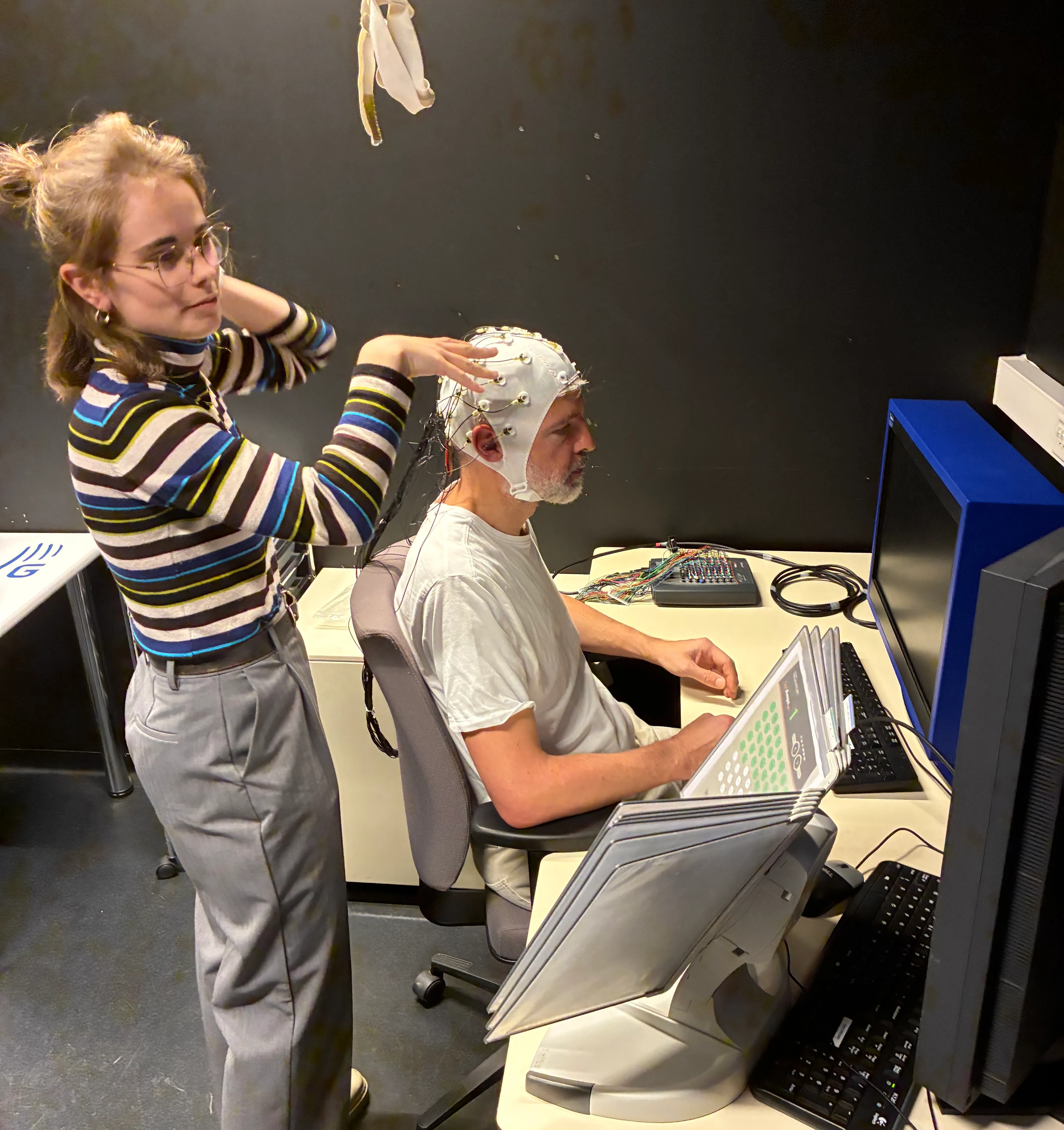
Students work on recording and analyzing scalp-based EEG signals to identify potential biomarkers of Parkinson’s disease. This includes studying neural oscillations associated with medication states and motor function, with the goal of developing objective, data-driven indicators for diagnosis and monitoring.
Experimental Design & Clinical Evaluation
This focus area centers on designing experiments to evaluate the effectiveness of vibrotactile stimulation. Work includes defining protocols, comparing conditions, and analyzing EEG and behavioral data to assess symptom changes and treatment impact.
Accessible Neurotechnology & Prototyping
The project also emphasizes accessibility and real-world applicability. Members work on improving vibrotactile stimulation devices and exploring how high-quality EEG recordings can be replicated using more affordable, portable equipment, supporting broader access to neurological care and research.
Gallery
Interested in this project?
Learn more about the people behind the project or explore how to get involved through Neurotech Leuven.


